
Know what your inventory is costing you to hold.
A dealer with $800,000 on the shelf can have tens of thousands in dead capital without anyone measuring it. Inventory Intelligence grades what you’re carrying, puts a figure on what each problem is costing, and tells you which one to deal with first.
A number that size is easy to miss.
Dead capital looks different in each part of the building, and both versions can be true in the same store.
In parts, it’s small and everywhere.
Tens of thousands of dollars in parts is usually thousands of separate decisions, a few dollars at a time, across a catalog nobody can hold in their head. No single line looks wrong. The total is what’s wrong, and nothing on a standard report adds it up.

In whole goods, it’s large and few.
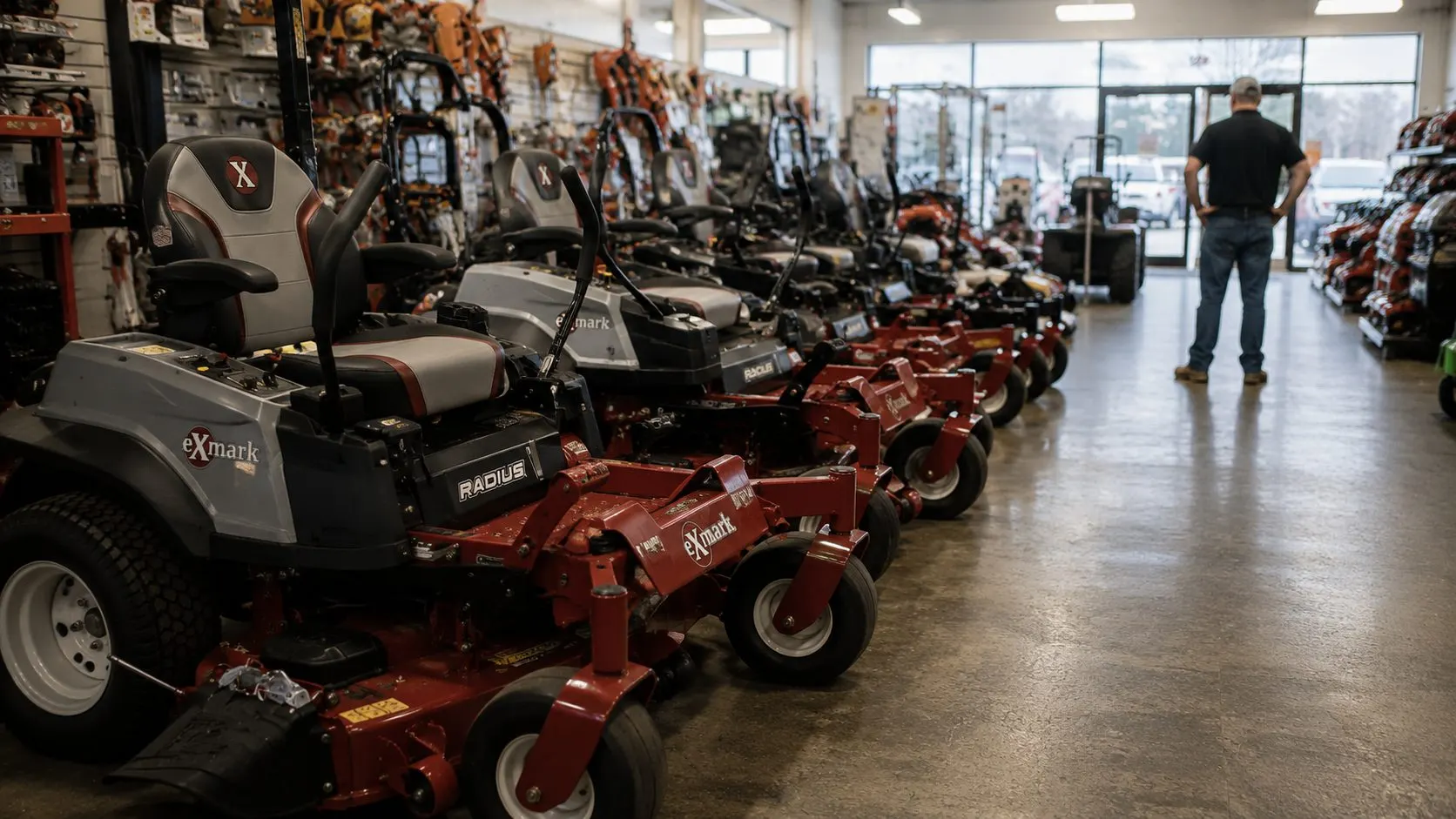
The same number can be five or ten units. A handful of riding mowers from two seasons ago can be a hundred thousand dollars on its own. Everybody in the building can name them. Naming them and moving them are two different jobs.
Why the units everybody can name stay where they are.
Usually because of how they were bought, or what’s happened since.
Nobody’s watching the floorplan clock.
Floorplan dates come and go with no one tracking what has to move by when. The units that should be marketed hardest get no attention at all.
The promotion was too good to pass up.
Buying deep into a program is a reasonable decision on the day you make it. It stops being one when the season closes and the units are still on the floor.
You bought up to get the terms.
Taking more units to reach better pricing or terms is real money, right up until those units don’t sell. After that, the discount is financing something that isn’t moving.
The rep wrote the order.
A rep knows the line. They don’t know your sales history, your season or your customers, so the order puts things on your floor that were never a fit for your store.
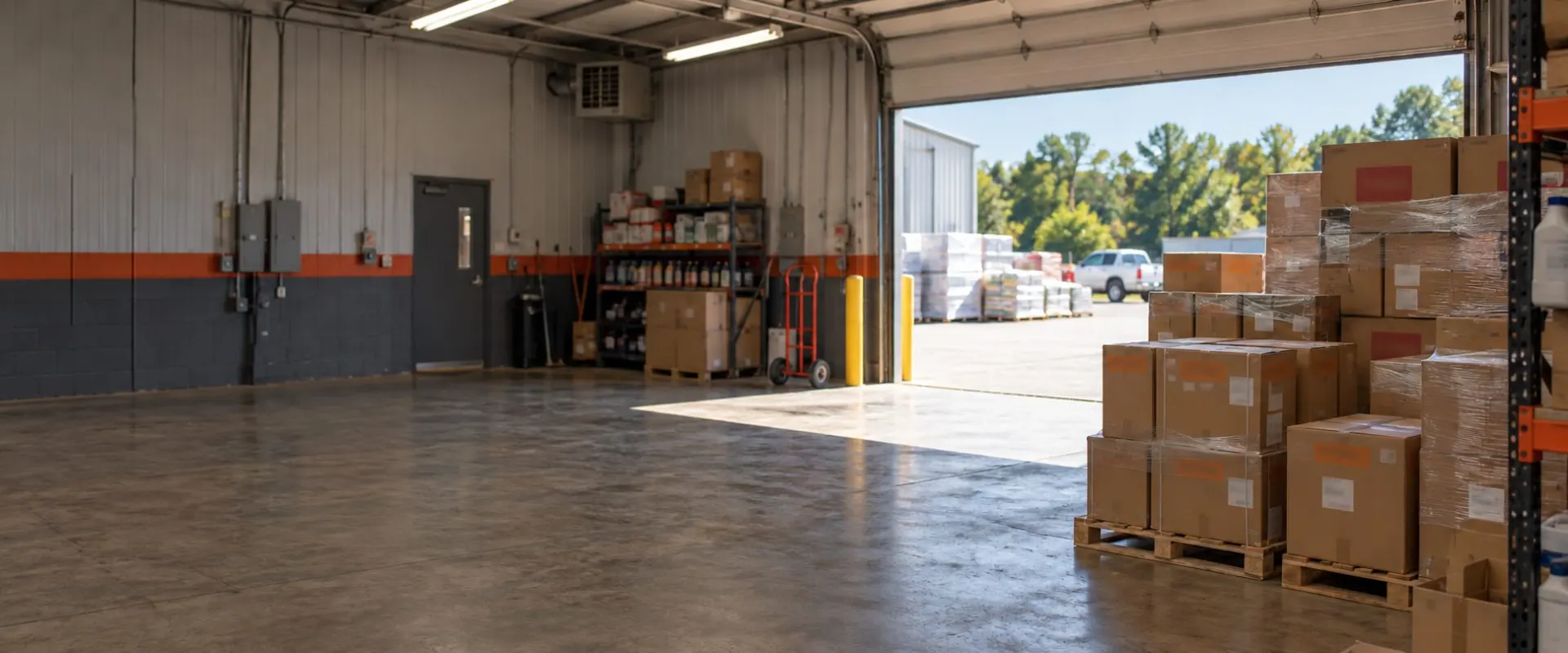
And some of it is out of sight. A row of riding mowers on the floor is hard to ignore. Twenty handhelds still crated in the warehouse aren’t. The overstock costing you most may be stock nobody’s looked at since the day it came in.
Some of these were the right call when they were made. Some were never decisions at all. Either way the money’s already spent, and the first step is the same: the number, in one place, ranked by what it’s costing you.
Your data, plus what you know about your business.
Vista does the math. You bring what no report knows: the season, the customers, the deals you’ve made.
What it tells you to do.
Which items to clear, which to stock deeper, which to start carrying, and which numbers to stop trusting.
What you already own
Clear it. Obsolete and overstock items, with the cash each one is holding.
Keep it. Most of what you carry is fine, and it says so plainly.
What you reorder
Stop. The manufacturer ended it, or you’ve decided to. Those are kept separate.
Carry less. It sells, just not at the level you’re stocking it.
Carry more. You keep running out of something that moves.
Start. Demand you aren’t serving yet.
The numbers themselves
Count it. Which counts to do first, so the effort goes where the money is.
Correct it. Shrink, swell and negative quantities that can’t be right, flagged before the next count.
It grades what you hold, then puts a figure on the problem.
Inventory is the biggest thing most independent retailers own, and the hardest to see clearly. A count tells you what’s there. It doesn’t tell you what shouldn’t be.
Underneath, what you hold is graded on five things: accuracy, availability, efficiency, control and productivity. A store that counts well but carries too much isn’t confused with one that carries the right things and can’t find them.
Inventory review
| Item group | Question | Next review |
|---|---|---|
| Slow-moving parts | What’s still needed, and what’s holding cash? | Review demand and exposure |
| Aging equipment | Which deadlines, terms and seasons matter? | Rank the units that need a decision |
| Count exceptions | Which quantities need checking? | Investigate and correct the records |
Take it as reporting, as the application, or both.
Some retailers only want the findings and a file they can import. Others want the tools that go with them.
The reporting packet
The grades, the exceptions, what each problem is costing and a ranked set of actions, from your own data, with a file you can import into the system you already run. Enough on its own if you want the answer without another application to log into.
The application
The same math with the process built around it. You work the list item by item, decide what happens to each one, and keep a permanent record of what was decided and when. For a business that wants to manage inventory all year.
Your data. Your decisions.
Count
Use your data and physical counts to set the starting point.
Review
Look at movement, age and exceptions.
Decide
Choose what to do, based on your goals and your limits.
Measure
Check the results and adjust the plan.
Start by checking what your data can support.
The right starting point depends on your stock, your system and the information you have. We’ll talk through the inventory work and your options before you commit to anything.
You stay in charge of what you carry.
Nothing changes until you decide
Vista never works inside your operating system. It reads exported data and produces a file you choose to load, or not.
Gaps in your data are flagged
Where the data can’t support a conclusion, it says so and shows you what needs fixing.
Estimates are labeled as estimates
Every estimate comes from your own data. What you recover depends on what you act on.
What you carry is one part of a bigger picture.
Inventory Intelligence answers the same four questions every Vista application answers, pointed at what’s on your shelf.
The rest of Vista
Margin Intelligence covers what you charge. Health snapshots cover every other area of the business.
Consulting
Someone alongside you while you work through what the findings turn up, including the parts no application can see.
Training
So the people who order, receive and count can read what it found and act on it without waiting for anybody.
More on what you’re carrying.
Freeing Cash Trapped in Dead Stock
A practical way to decide which slow-moving inventory deserves action.

Need, Want, and Vendor Pressure
Every purchase order should answer one question: why are we buying this? Often the right response is not less, but better planned.

Getting a Physical Inventory You Can Trust
An annual physical should confirm the inventory is right, not be the day you find out it is wrong. Most of that is decided before and after the count.
Free download: Before-the-PO Planning Sheet →
Find out what you’re carrying.
Start with a conversation about your inventory. Detailed analysis, findings and correction plans are paid work, with scope and price confirmed in writing first. Availability and supported scope are confirmed before any engagement.
(770) 215-4484hello@profitedgesystems.comPick a time on the calendar →
